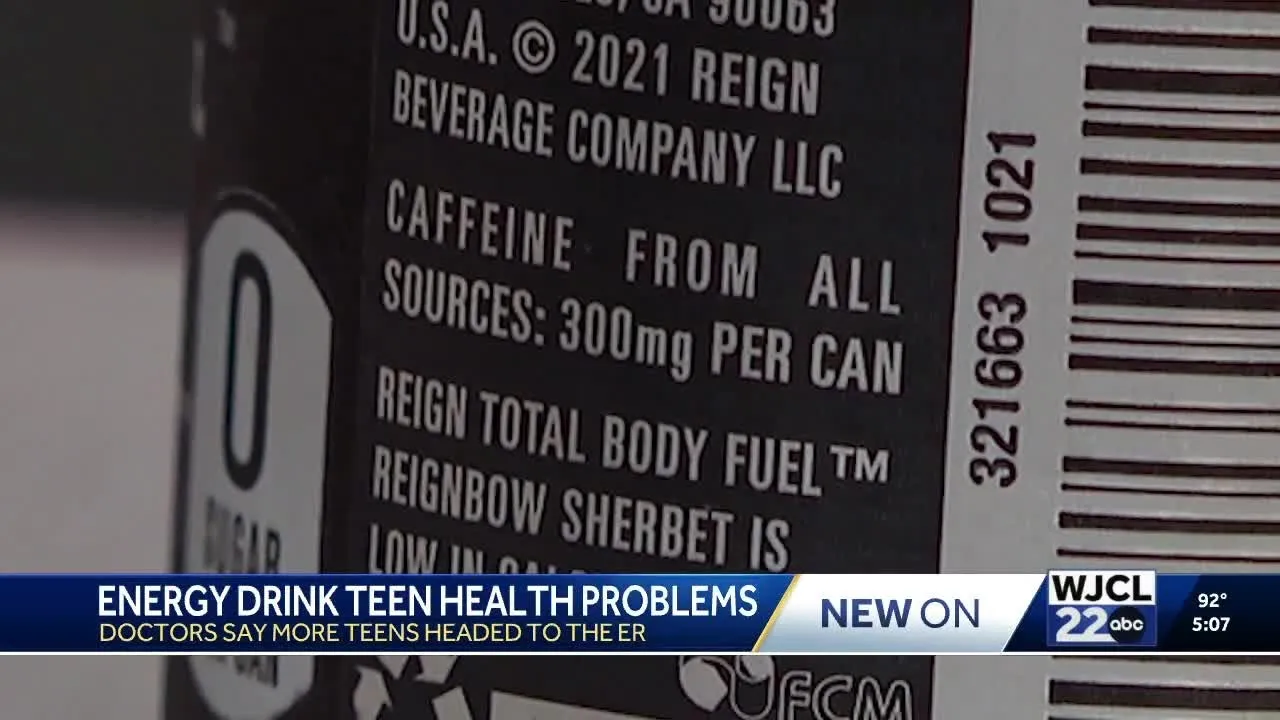
In September 2025, ER doctors in Savannah, Georgia, issued a public health warning after treating patients as young as 10 years old for severe medical complications linked to energy drinks [00:28].
This 2025 WJCL 22 News report details how pediatric emergency physician Dr. Alana Koehler at Memorial Health University Medical Center observed an surge in young children and teens requiring hospital care for rapid heart rates, panic attacks, sleep deprivation, and caffeine withdrawal [00:59]. Doctors warned that highly caffeinated and brightly packaged energy drinks appeal heavily to youth, reminding parents that children aged 12 to 18 should consume no more than 100 milligrams of caffeine daily [01:45].
In January 2025, KVUE reported on a study by Epic Research showing that emergency room visits for caffeine overdose and side effects among teenagers (ages 13–19) have nearly doubled since 2017 [00:19].
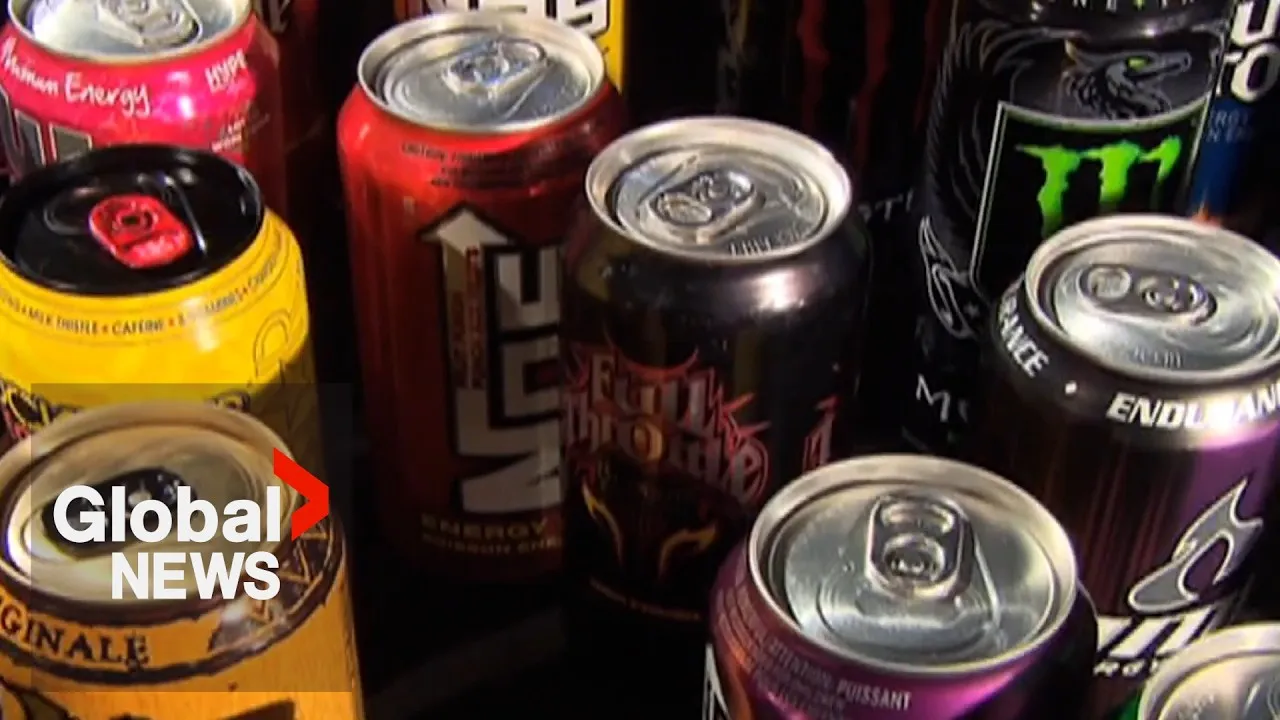
This 2025 medical report highlights how hidden caffeine in sodas, ice creams, bars, and supplements—alongside energy drinks—causes severe side effects like racing heart rates, anxiety, seizures, and cardiac arrest [00:28]. Pediatricians emphasize that children under 12 should avoid caffeine entirely, while teenagers should strictly limit intake to 100 milligrams per day [00:50].
In October 2025, 17-year-old high school cheerleader and student council president Lissa Rodriguez passed away from an enlarged heart linked to excessive long-term caffeine consumption [00:23].
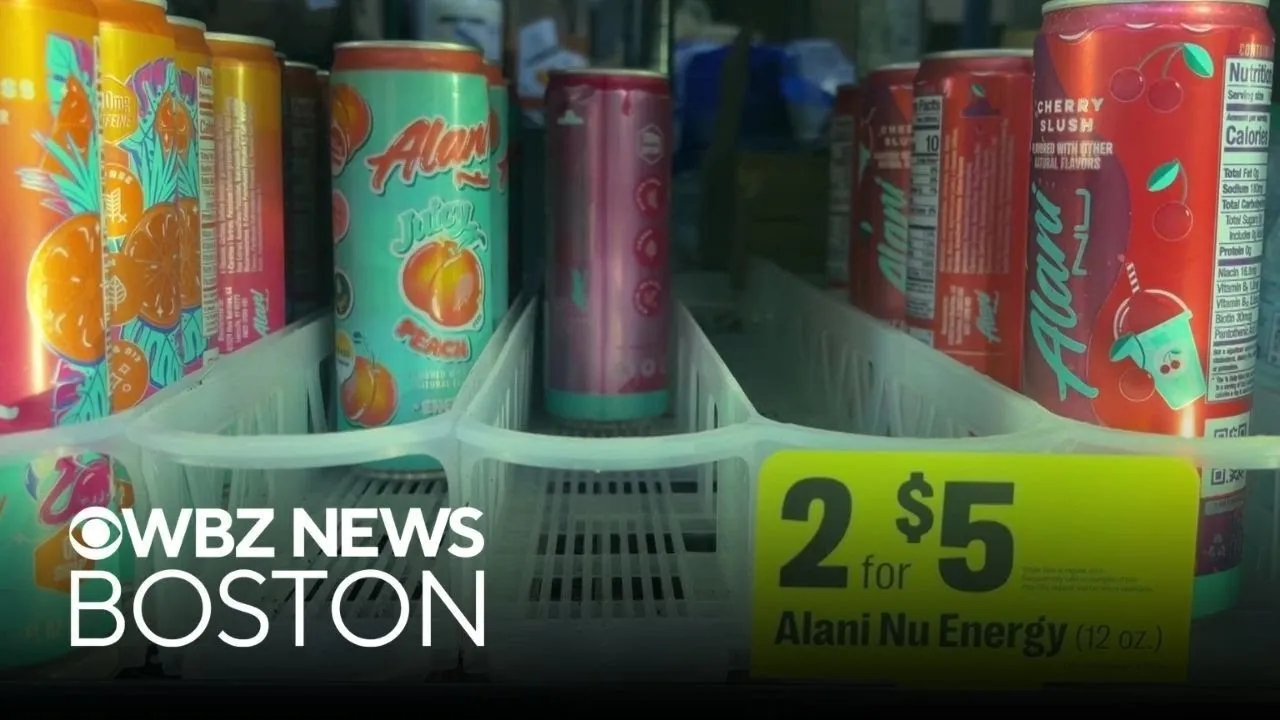
This April 2026 CBS news report details a wrongful death lawsuit filed by her family against the distributor of Alani Nu energy drinks, claiming the products were defectively designed and lacked adequate warnings regarding cardiac risks [01:04]. Attorneys and medical experts noted that Rodriguez developed a daily habit of drinking Alani Nu energy drinks—which contain 200 mg of caffeine per 12-ounce can—far exceeding the recommended daily limit of under 100 mg for teenagers [00:51].
In April 2017, 16-year-old Davis Cripe collapsed at his high school and died from a caffeine-induced "cardiac event" after consuming three caffeinated drinks in under two hours [00:26].
This 2017 CBS Evening News report details how he drank a 20-ounce Diet Mountain Dew, a medium McDonald's latte, and an energy drink, ingesting over 400 milligrams of caffeine in a short window [00:46]. The video highlights his father's plea to warn parents and teenagers about the dangers of energy drinks, as medical experts call for stronger FDA labeling regulations and restrictions on how caffeine-heavy beverages are marketed [01:24].
In 2011, 14-year-old Anais Fournier died after consuming two 24-ounce Monster Energy drinks in less than 24 hours, suffering a heart attack and cardiac arrhythmia attributed to caffeine toxicity.
This 2012 ABC News report covers the wrongful death lawsuit filed by her family and an FDA investigation into reports of deaths possibly linked to Monster Energy drinks [00:37]. It highlights how rapidly consuming hyper-caffeinated beverages poses severe health risks, particularly to young people or individuals with pre-existing heart conditions [01:50]. While physicians explain that a lethal caffeine dose for a healthy adult would require consuming dozens of cans back-to-back, Monster Energy denied responsibility, stating they were unaware of any fatalities caused by their products [02:00]