“Energy drinks are not appropriate for children and adolescents and should never be consumed.”
— The American Academy of Pediatrics
Schneider et al., 2011, Reaffirmed 2018, Healthy Beverage Guide 2023
Sources and statements
01/ 04
“Energy drinks are not appropriate for children and adolescents and should never be consumed.”
— The American Academy of Pediatrics
Schneider et al., 2011, Reaffirmed 2018, Healthy Beverage Guide 2023

"All children and adolescents should avoid consuming energy drinks, which can contain large amounts of caffeine and sugar in a single serving as well as additional stimulants."
— Healthy Beverage Consumption in School-Age Children and Adolescents: Recommendations from Key National Health and Nutrition Organizations. Consensus Statement.
"There is no proven safe dose of caffeine for children... Pediatricians advise against routine caffeine use for children under 12 and against any use of energy drinks for all children and teens. They also suggest limiting caffeine to at most 100 mg (about two 12 oz cans of cola) daily for those 12-18 years old."
— The American Academy of Child and Adolescent Psychiatry
"Energy drinks should not be marketed to nor consumed by... those younger than 18 years."
— The American College of Sports Medicine


"Our AMA supports a ban on the marketing of 'high stimulant/caffeine drinks' to children/adolescents under the age of 18, including opposing commercial advertising, sponsorships, and promotional practices that target or appeal to children and adolescents."
— The American Medical Association
"The AAFP opposes the sale and marketing of stimulant drinks and related products to individuals under the age of 18 in the United States of America."
— The American Academy of Family Physicians

“Advertisements that target young people are contributing to the confusion rather than effectively distinguishing between sports and energy drinks.”
— The American Academy of Pediatrics
"Energy drinks are not sports drinks and should not be used by athletes in training or competition."
— The National Federation of State High School Associations

“[S]ports drinks and energy drinks are very different beverage choices, and as such, should be assessed and marketed differently and to different audiences. In fact, we support the American Academy of Pediatrics' position that there is a need to improve the education of children, adolescents and their parents on the differences between the two.”
— The American Beverage Association

"Student-athletes should be wary of drinks that promise an 'energy boost' because they may contain banned stimulants. In addition, using stimulants while exercising can increase the risk of cardiovascular complications.”
— The National Collegiate Athletic Association

"Sudden cardiac death appears to be more likely to occur following energy drink consumption in people who are 21 and under, male, have preexisting heart conditions or engage in physical activity during or after the time of consumption. Raising awareness of these risk factors may reduce energy drink associated SCD."
— PRE-EXISTING CARDIAC DISEASE, EXERCISE, MALE SEX, AND YOUNG AGE ARE RISK FACTORS FOR SUDDEN DEATH FOLLOWING ENERGY DRINK CONSUMPTION

"Although data on energy drinks are limited, available studies generally suggest cardiovascular harm.”
— The American Heart Association
02/ 04

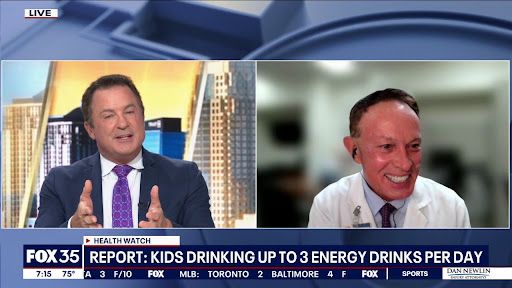
Dr. John P. Higgins, MD, MBA, MPhil—sports cardiologist and lead author of the American College of Sports Medicine's call to action on energy drinks—provides a review of the latest medical evidence supporting this initiative.
The interview · FOX 35 Orlando
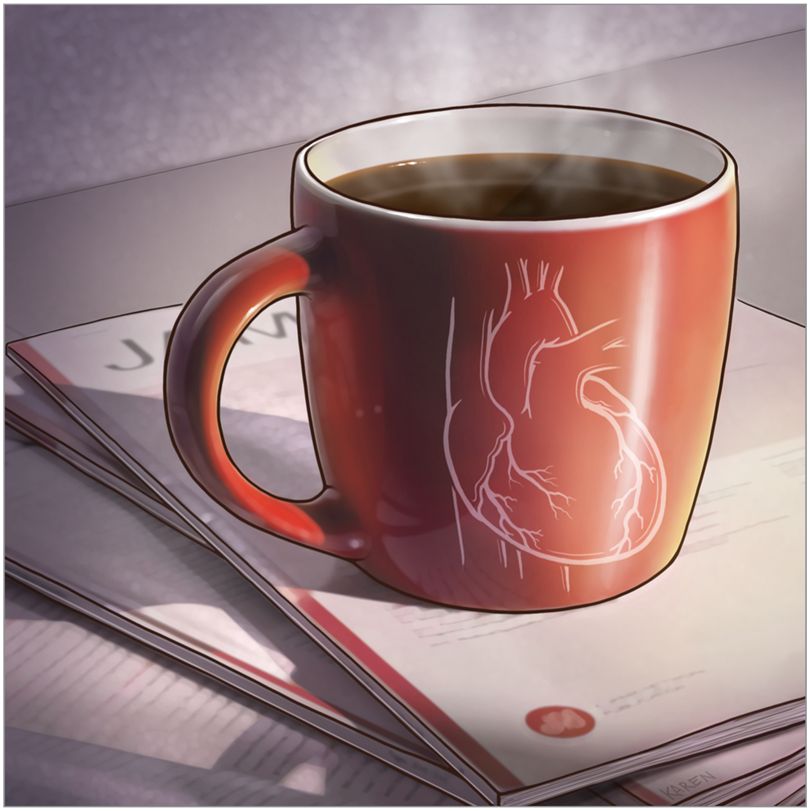
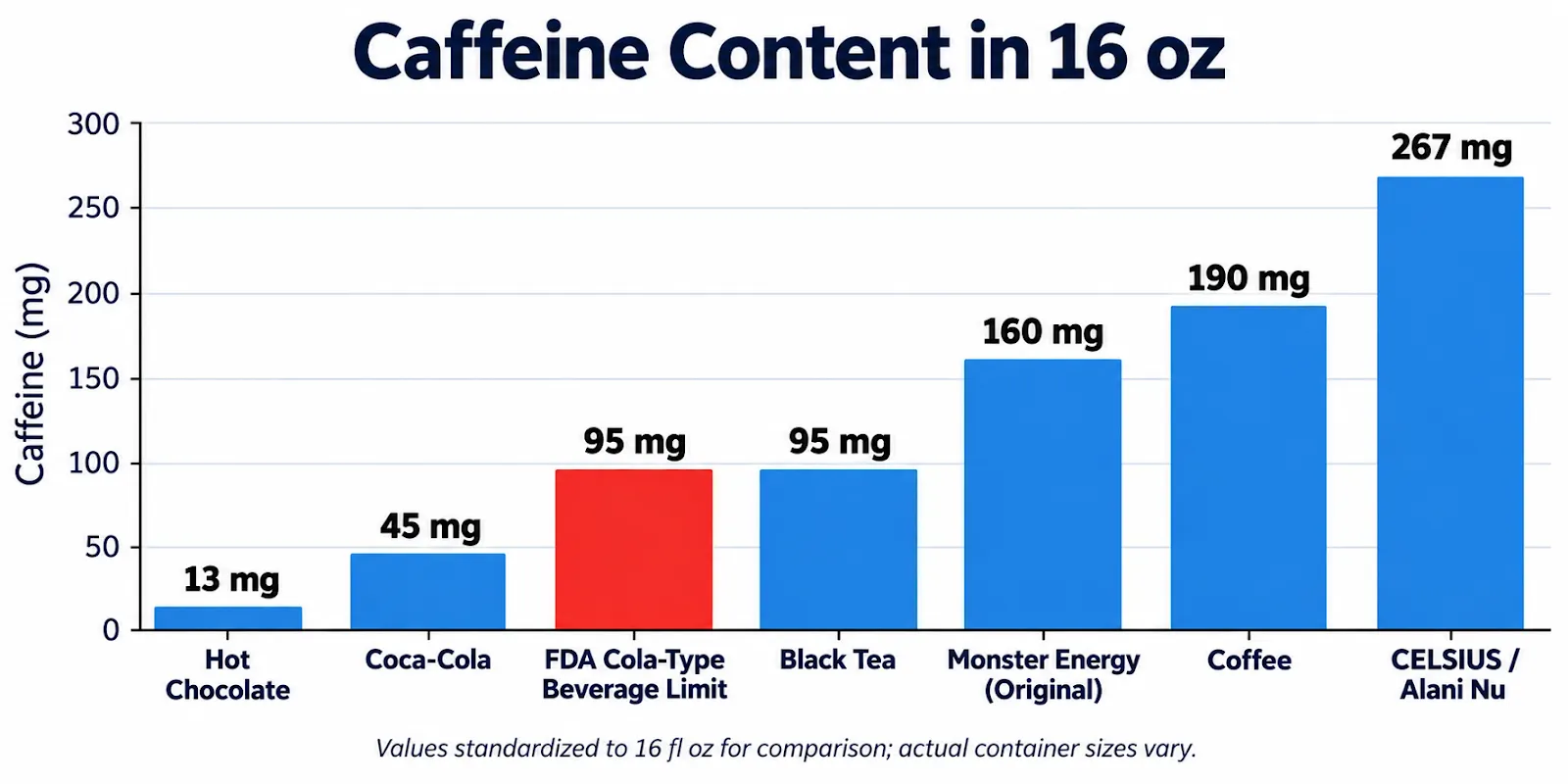
Energy drinks should be treated differently from ordinary dietary sources of caffeine such as coffee and tea, especially when considering children and adolescents.
The AHA scientific statement cautions that any possible cardiovascular benefits associated with coffee or tea should not be assumed to apply to high-dose or synthetic caffeine products. Although research on energy drinks remains limited, the AHA authors say the available evidence generally points toward cardiovascular harm. Energy drinks may also contain other stimulants, such as taurine and L-carnitine, along with added sugar.
Cardiologist John Higgins, MD, agrees with the AHA’s discussion of caffeine in adults but believes more attention is needed on energy-drink use among youth. He emphasizes that children and adolescents are generally smaller than adults, making the same beverage a larger dose relative to body size, and that they may be more susceptible to caffeine-related sleep disruption and other effects.
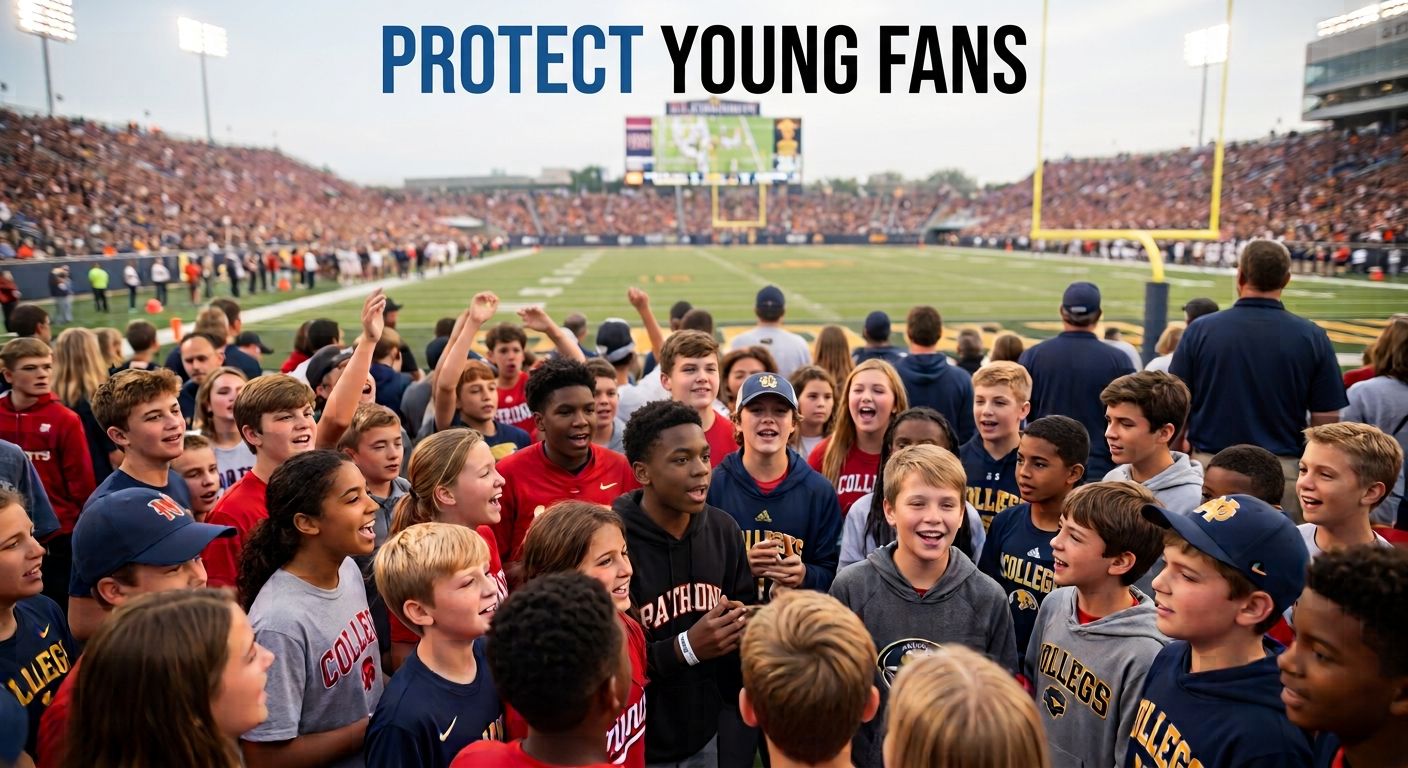
Higgins is particularly concerned about the Big 12 Conference’s partnership with Monster Energy, which places Monster branding on uniforms, playing surfaces, broadcasts, digital media, and other college-sports settings. His concern is less about adult college athletes than about young fans seeing energy drinks closely associated with elite athletics and feeling encouraged to try them.
The passage also points to growing policy concern internationally. Quebec has adopted restrictions on caffeinated energy-drink sales to children younger than 16, and England is implementing a similar under-16 restriction on high-caffeine energy drinks.
The American Journal of Medicine
, Aug 5, 2026
Dr. John P. Higgins, examines the cardiovascular risks energy drinks pose to young people — and directly addresses the Big 12 Conference's 2026 sponsorship agreement with Monster Energy.
03/ 04
Dr. Vetter and Naim’s December 2024 commentary in The Journal of Pediatrics explains that energy drinks pose cardiovascular risks to children and adolescents, including effects on blood pressure and heart rhythm, and calls for stronger regulation, clearer labeling, and restrictions on marketing to minors.
04/ 04
If you are a healthy adult, an occasional energy drink is unlikely to harm you.
Publication and organization names and logos are shown solely to identify sources. Their appearance does not imply endorsement of Protect Young Fans.